When the Power Goes Out, Be Ready
Winter storms, hurricanes, or grid overload—Nova Scotia homeowners are no strangers to power outages. That’s why more people are turning to home backup generators for safety, comfort, and peace of mind.
Here’s a full breakdown of what you need to know before installing one.
What Does a Generator Do?
A home generator automatically kicks in when the power goes out, supplying electricity to your essential systems—heat, lights, fridge, sump pump, and more. It helps you avoid:
- Frozen pipes
- Food spoilage
- Medical device interruptions
- General chaos (no lights, no internet, no coffee…)
Types of Backup Generators
- Portable Generators:
- Manual start
- Power a few circuits or appliances
- Needs to be refueled (usually gas)
- Standby Generators:
- Permanently installed outside your home
- Connected to your natural gas or propane line
- Automatically starts when the power fails
- Powers entire home or selected circuits
We specialize in whole-home standby generator systems and generator panels to allow for the simpler portable generator option— both are a turnkey installs with clean wiring, permits, and inspection.
Smart Power Planning
Not every home needs a 22kW monster generator. We’ll help you:
- Assess your power needs (essential vs. full backup)
- Pick the right model based on budget + lifestyle
- Design a custom system for your home layout
- Install a transfer switch or generator panel so everything works safely and seamlessly
The Installation Process
- Site Visit + Load Calculation
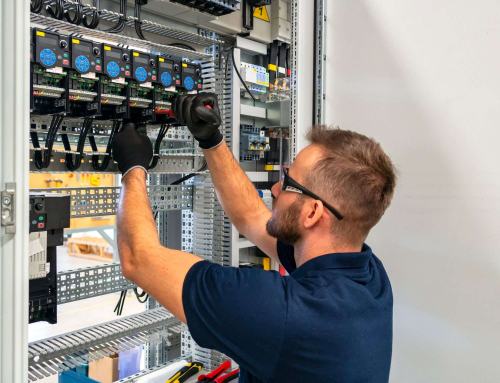
- Generator Panel + Transfer Switch Install
- Mounting Pad + outdoor wiring
- Contacts for Gas hookup (by certified gas tech)
- Inspection + Final Test
We handle everything—electrical, coordination with gas fitters, permitting, and ESA inspection.
Bonus: Generator Panels
If you’re starting with a portable generator but want a clean, safe setup, we can install a dedicated generator panel. It lets you safely power critical loads without running extension cords or risking backfeed.